
 01
01Yield Improvement
Biochar raises water absorption and retention capacity in weathered soils that improve the plant's yield capacity.
Climate B2C is a nonprofit platform helping coffee growers, producers, exporters, and roasters co-develop biochar projects together.
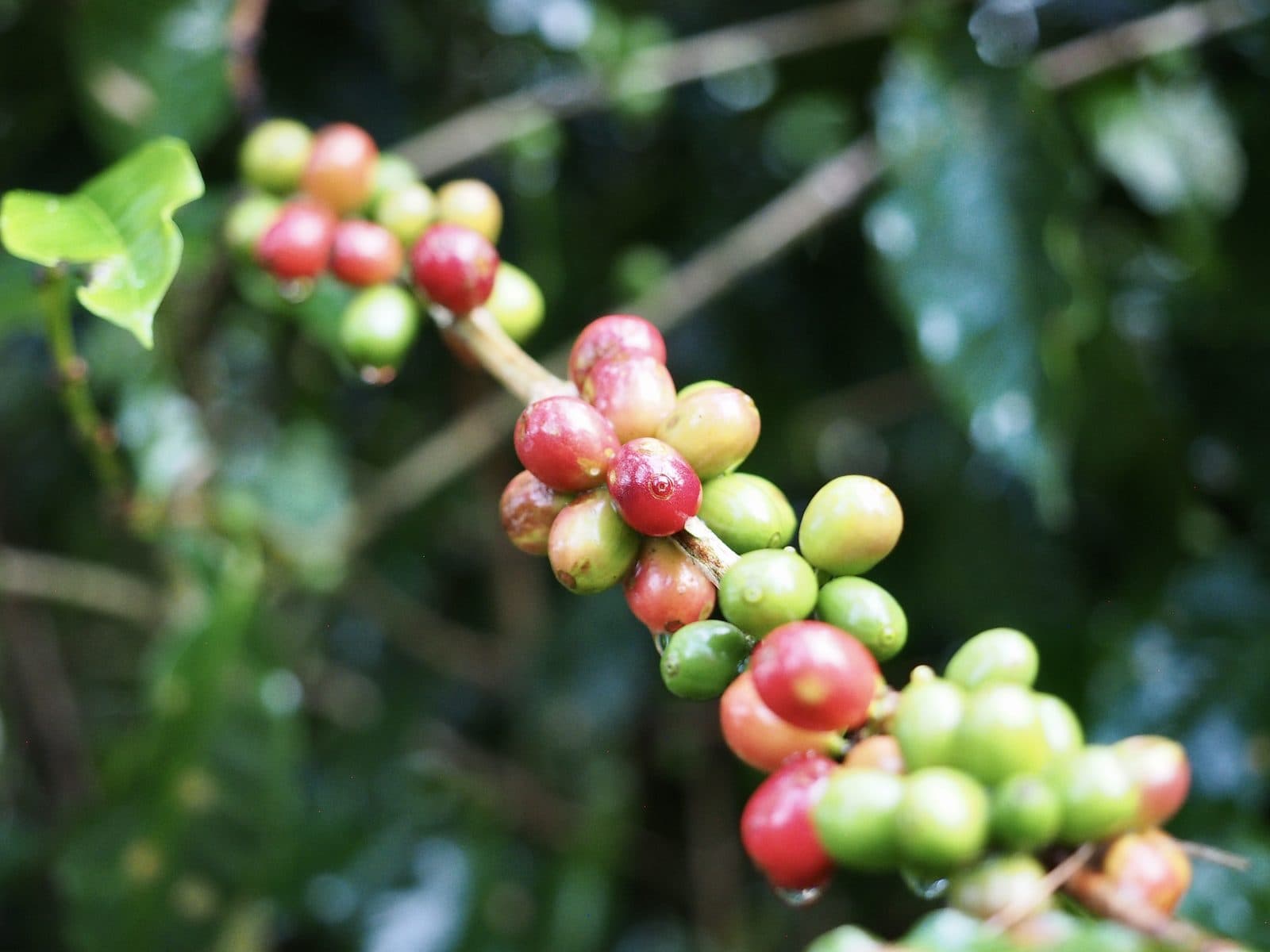
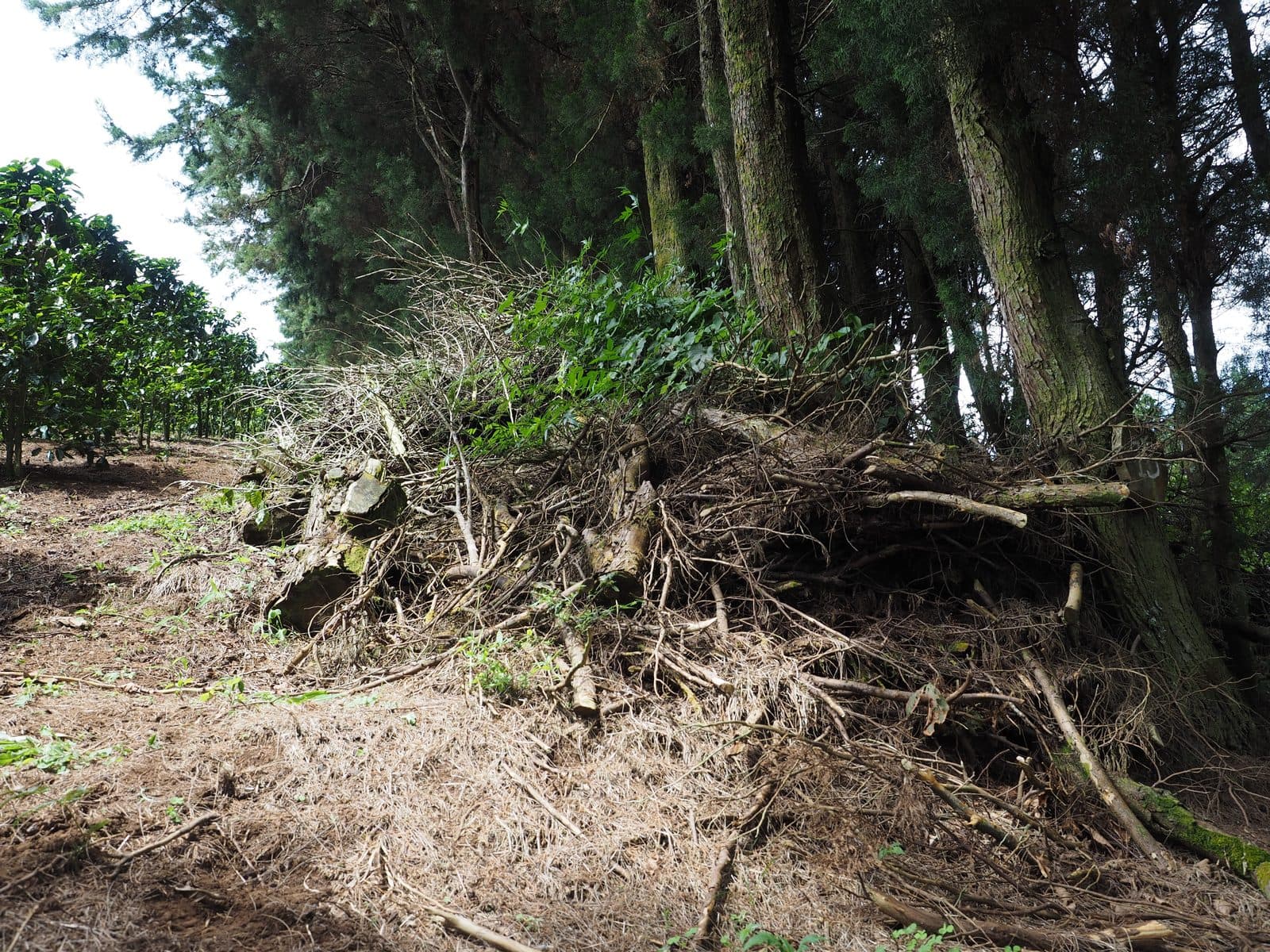
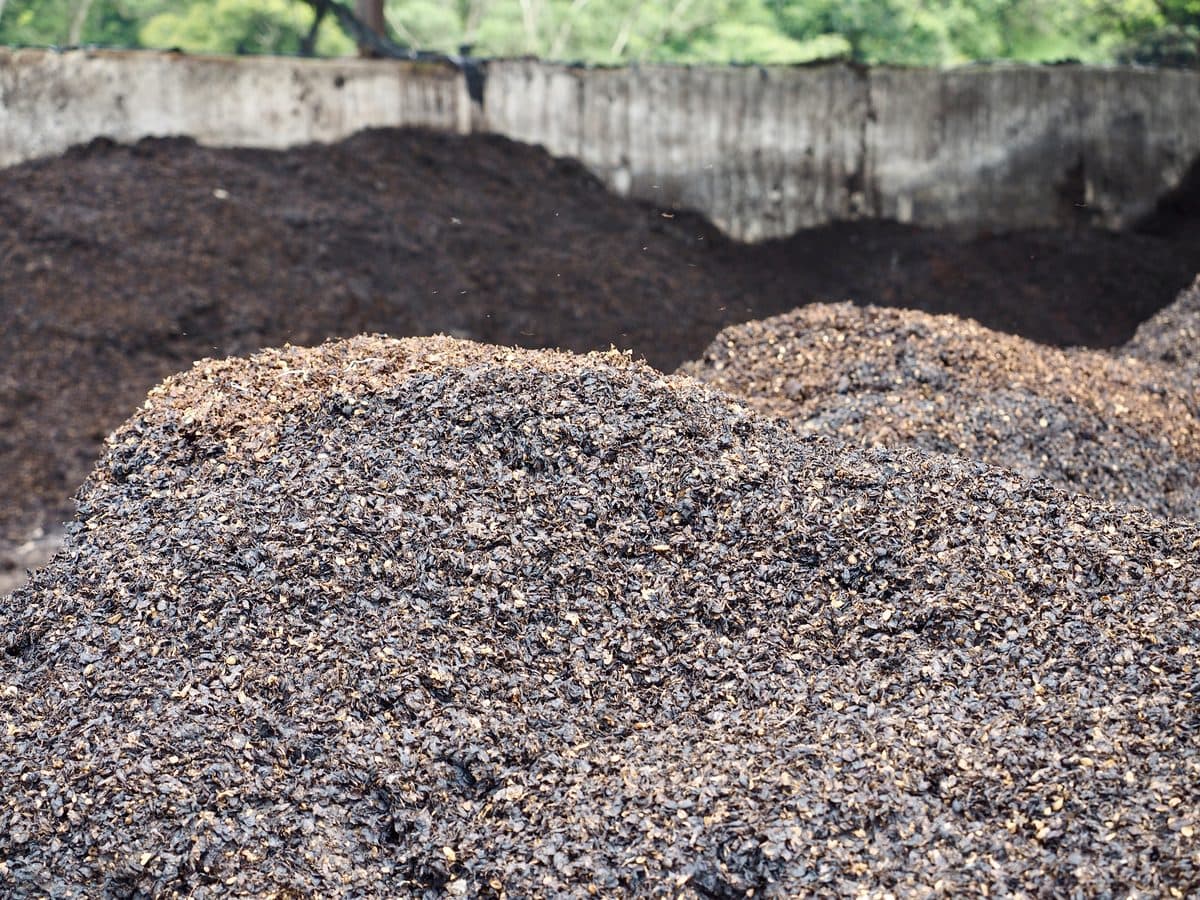
Two coffee residues are abundant and mostly unused: pruning material from the trees, and pulp from wet processing. Both have little economic value, and pulp left to decompose releases methane. The right equipment turns that residue into biochar. Applied to soil, it builds organic carbon, improves yields, and locks carbon away for centuries.
Climate B2C makes this practical. We help growers, mill operators, exporters, and roasters design projects together. The benefits are concrete: better soil, lower input costs, measurable carbon removal, and a supply chain story you can verify.
We handle the equipment, the training, and the measurement. Farmers run the project.
 1
1Pruning material and pulp from wet processing. Abundant, low value, often left to decompose.
 2
2Residue is dried and sized so a kiln can run cleanly. The first step that turns waste into feedstock.
 3
3A kiln or reactor charrs the biomass with limited oxygen. Emissions are oxidized through the flame front.
 4
4A stable, porous carbon. Typically 20 to 30% mass yield from the dry biomass that went in.
 5
5Biochar moves from the kiln site to the farm or co-op plots where it will be applied.
 6
6Mixed into the top soil or used as a planting amendment. The point at which all the benefits begin.
What biochar delivers
Biochar applied to soil has four measurable effects:
01Biochar raises water absorption and retention capacity in weathered soils that improve the plant's yield capacity.
 02
02Biochar reduces on-farm fertilizer volume and cost by reducing nutrient leaching, keeping applied nitrogen and potassium closer to the application zone. This also reduces fertilizer-produced greenhouse gas emissions.
 03
03Biochar's water retention capacity increases plant-available water in coarse and aged soils, helping coffee farmers mitigate rainfall variability and the extended dry season.
 04
04Biochar stabilizes plant carbon to resist rapid decomposition, reducing carbon emissions on the farm or during processing. Specialized biochar equipment measures input and output throughout the process to report carbon removal.
Two ways to start
Most projects begin by trying biochar on a few hectares. When the results hold, we scale with you.
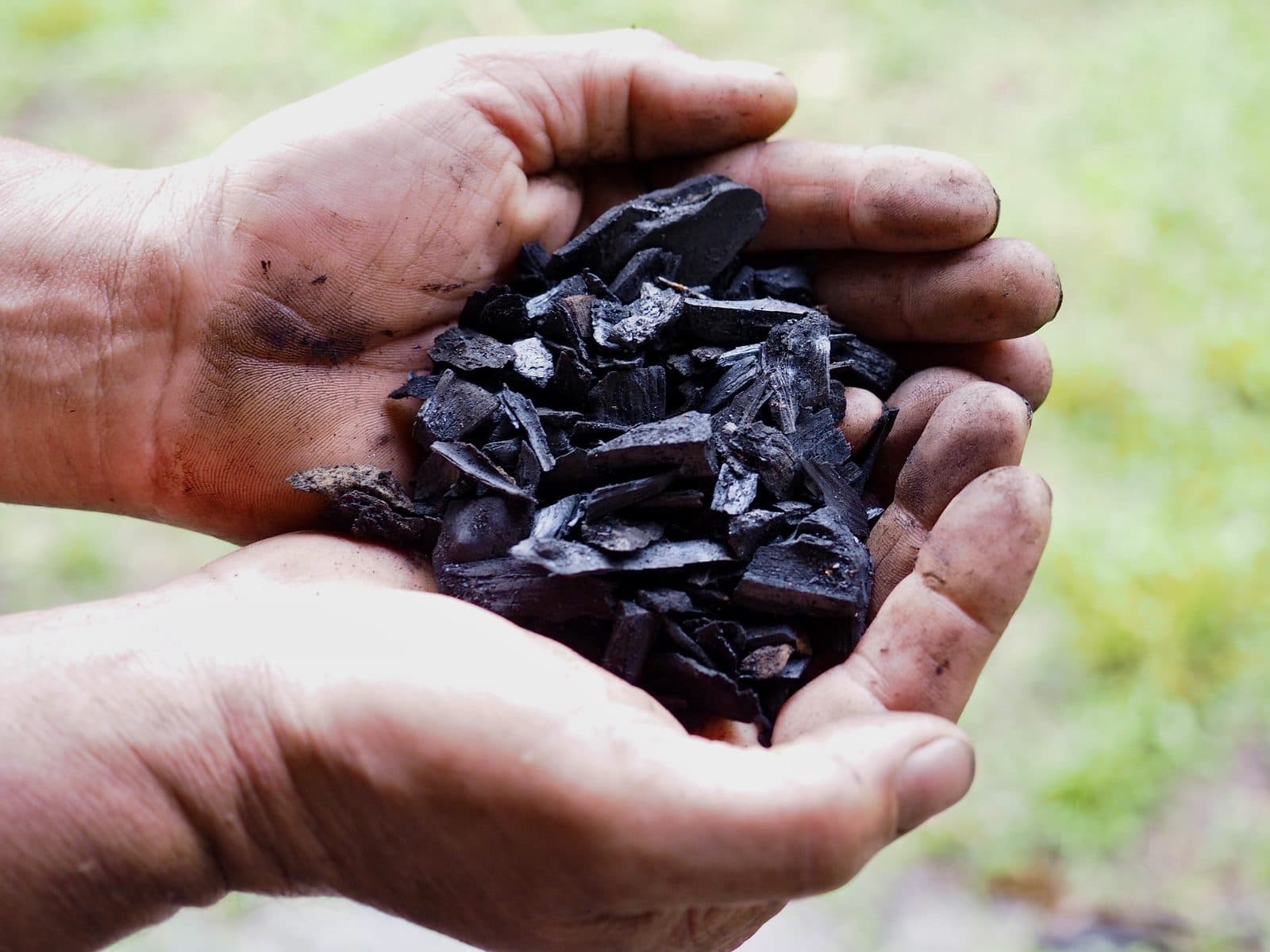
We help you source certified biochar from existing supply and test it on a few hectares. Measure your soil moisture, yield, and fertilizer response. No capital, no equipment install, no certification.
For growers, mill operators, and roasters running a first test.
Equipment, training, measurement, and certification, sized to your operation. Growers, exporters, and roasters share the cost and the upside. The equipment fits your scale:
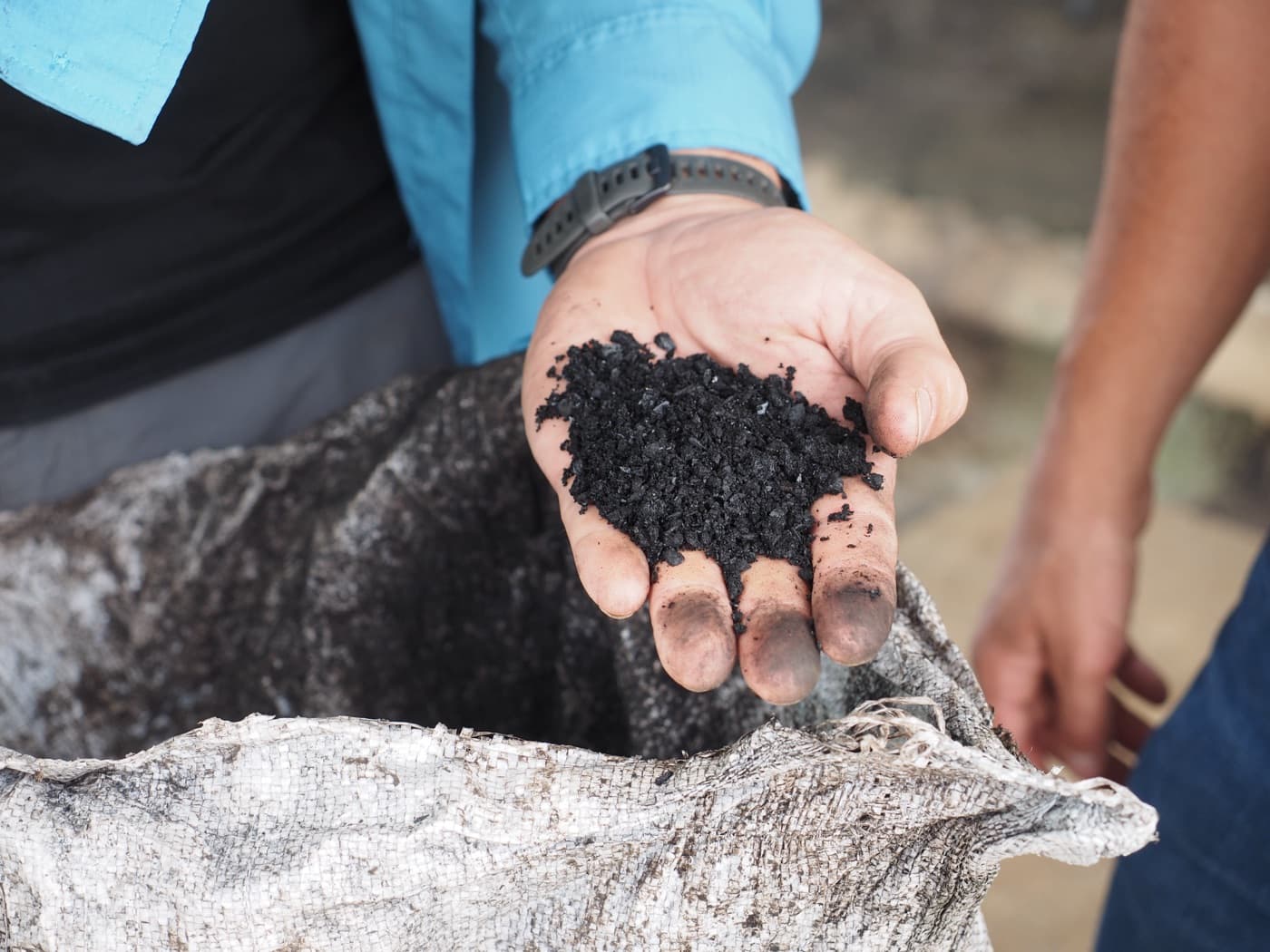
A small-scale, low-cost on-farm kiln is the simplest way to start. A flame-front design oxidizes gases released in the combustion process, controlling emissions. Suitable for a single farm running a few batches per season.
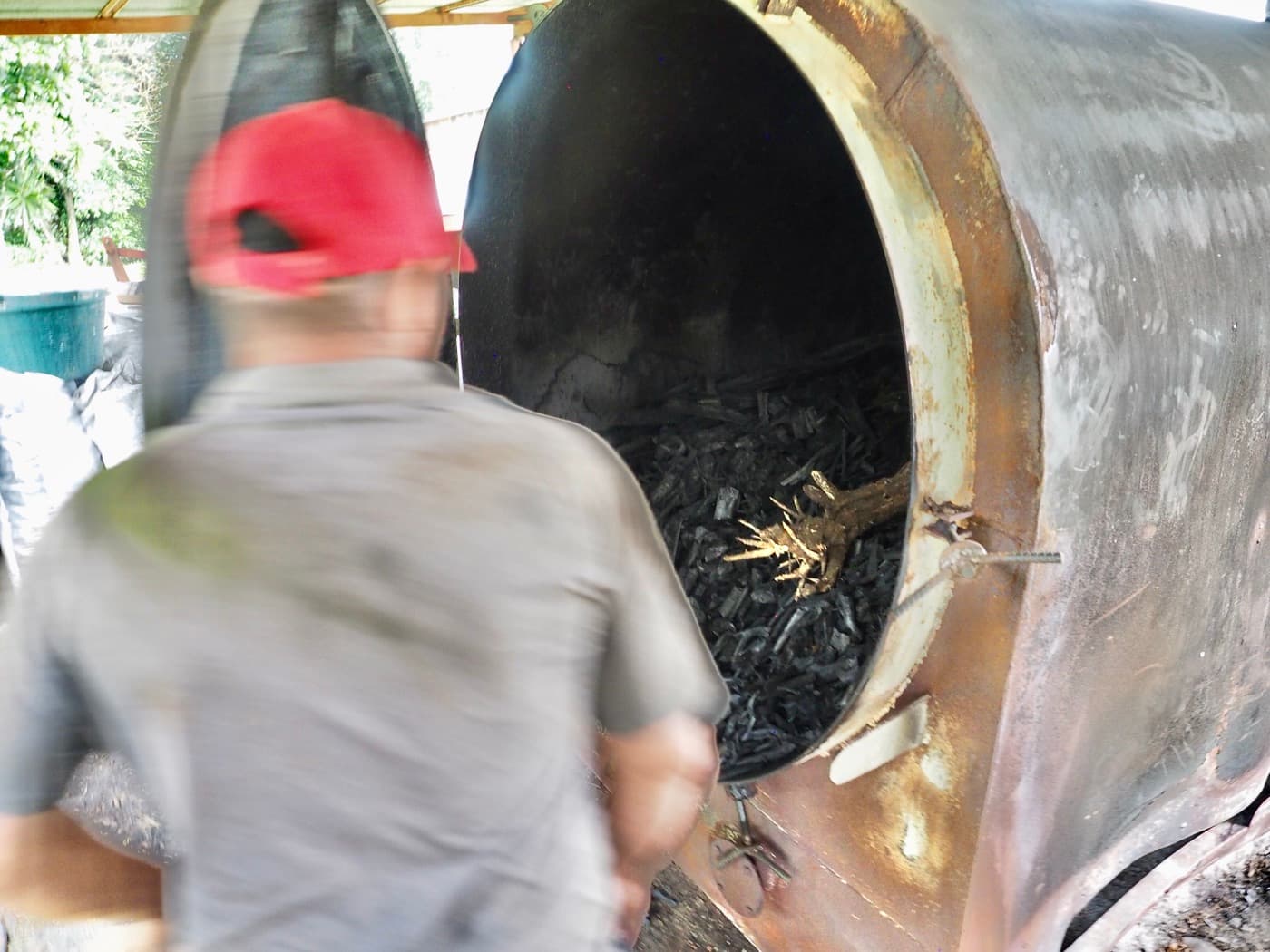
A batch reactor with built-in emissions controls is towable, so a single unit can either serve one farm year-round or rotate among member farms in a small co-operative. A standard mid-tier choice.
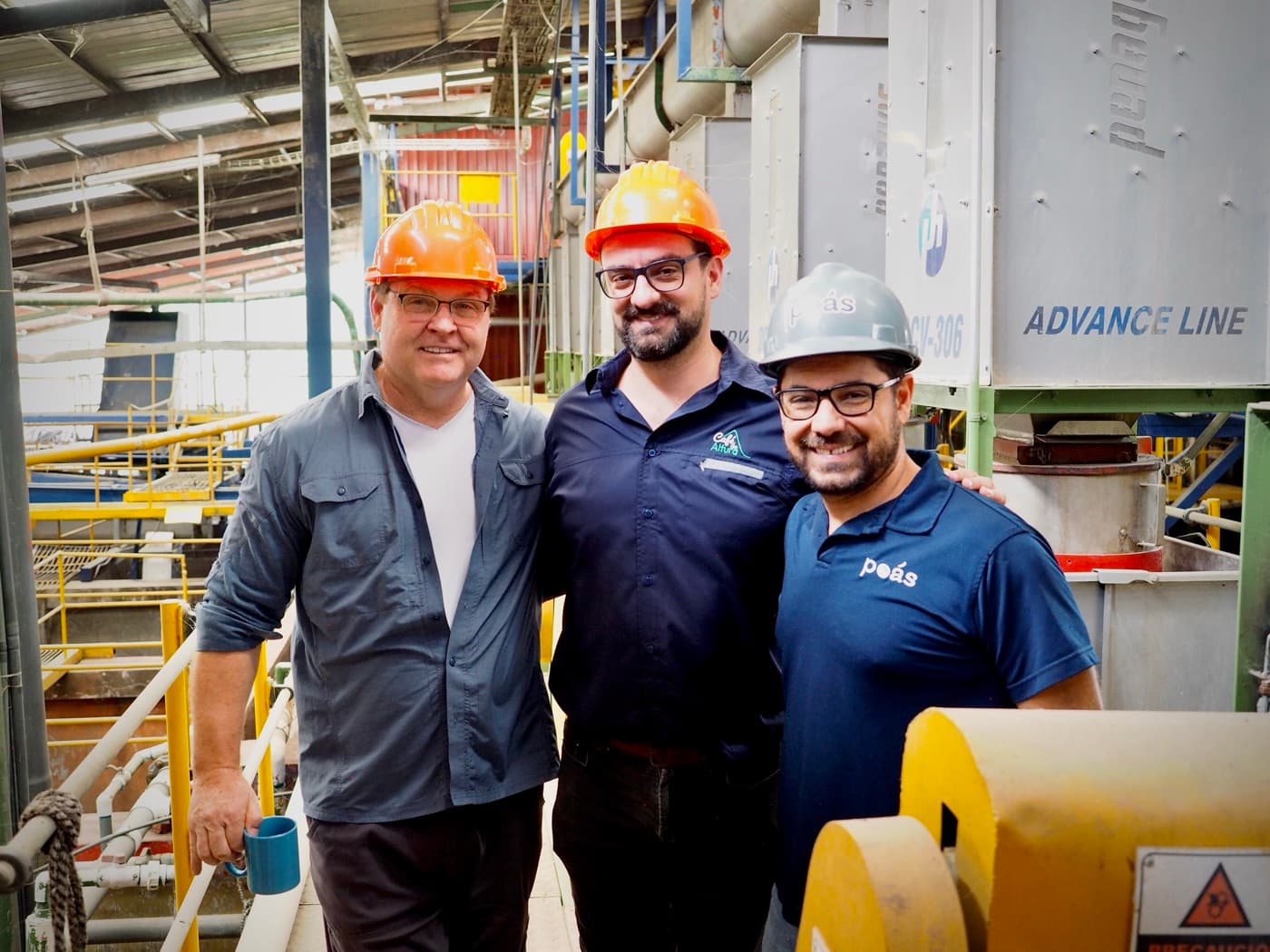
A continuously fed system designed for processing centers with year-round residue offers higher throughput and more automation than the batch options. The right fit when one location aggregates enough biomass to keep it running.
Once we know your country, your feedstock, and how much residue you have, we propose the specific units that fit.
For exporters, mill operators, and roaster partnerships ready to invest long-term.
Our Role
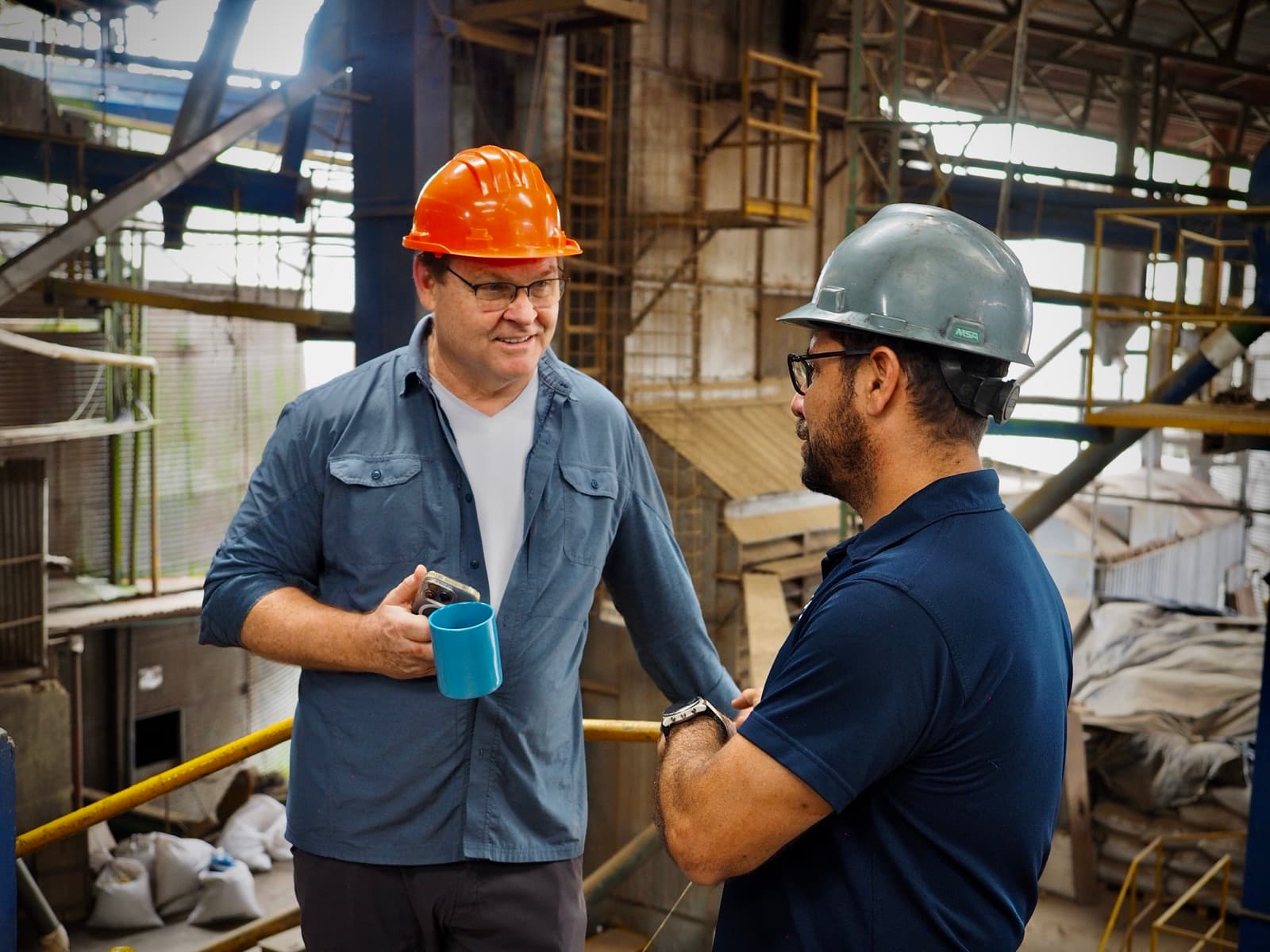
Climate B2C is a project enabler. We do not replace traders or supply capital ourselves. We do the work that most coffee supply chains cannot do alone: we source equipment, coordinate training, measure impact, and handle verification and registration.
This means growers own their project. Exporters keep their buyer relationships. Roasters get real supply chain control. Everyone shares the benefits.
Research Partners
We collaborate with researchers at Stanford University and Yale University on coffee biochar field trials and system design. Our projects are grounded in peer-reviewed methods, not assumptions.


Course collaborations
Stanford University
Doerr School of Sustainability
Winter 2026 Course Overview
Coffee is one of the world's most traded commodities, and one of its most wasteful. Every year, the global coffee industry generates more than 34 million tons of organic waste from pulp, husks, and spent grounds. What if that waste could become a climate solution: improving soil health, supporting farmer livelihoods, and capturing carbon, all while advancing human and environmental health?
This Action Lab brought together an interdisciplinary group of students to tackle this pressing and timely question. Students worked directly with leading partners to explore how coffee waste-derived biochar can advance both human and planetary health.
The collaboration produced research, industry presentations, and public engagement initiatives focused on accelerating the adoption of biochar across global coffee supply chains.
Students presented their findings at SF Climate Week with Equator Coffees of San Francisco on the topic of carbon insetting, coffee and biochar CDR.
Yale
Students will collaborate with two coffee industry partners working to address a critical paradox: despite record coffee prices, smallholder farmers struggle economically while degraded soils and climate change threaten productivity. This project develops practical solutions combining real-world regenerative agricultural strategies and economic analysis.
Partner Lalo Perez of Biofilia in Mexico will guide research into smallholder farmers' economic realities and biological agriculture approaches for soil health and yield improvement. Partner David Griswold of Sacred Seasonal, a US-based company partnering globally, will explore carbon market failures and an innovative net-zero strategy using biochar from coffee cherry waste, funded through industry carbon insets for small farms and farmer cooperatives.
Students will synthesize research on soil health, carbon sequestration, and farmer economics to create compelling business cases for industry adoption of sustainable practices. The project culminates in a publication-ready article examining smallholder farming economics and soil-based solutions, plus a presentation deck laying out a roadmap for biochar as a net-zero coffee solution that sequesters carbon while improving soil health, increasing yields and farmer incomes.
Newsletter
Updates on active projects, technical findings, and honest accounts of what's working and what needs iteration.
One email a month. Unsubscribe any time.